
Foreign Ownership of Villas in Thailand: The Leasehold Structure Explained
It's the first question almost every international buyer asks about property in Thailand: can I actually own this? The honest answer is a qualified yes — and understanding exactly what "yes" means is the difference between a straightforward purchase and an unpleasant surprise later.
Thai law is unambiguous on one point: foreign nationals cannot hold freehold title to land in their own name. This isn't a loophole or a workaround — it's a constitutional restriction that applies to every foreign buyer, everywhere in the country, regardless of the property's price or prestige. Any agent or developer who tells you otherwise for a villa purchase is describing something that isn't legally available to you.
What foreign buyers can own
What the law does allow — and what makes villa ownership genuinely workable for international buyers — is a structure with two separate legal components. First, full ownership of the physical building itself, registered in your name at the Land Department, no different from owning a car or any other asset. Second, a long-term lease on the land the villa sits on, typically registered for 30 years, with renewal terms set out in the lease agreement.
This is the same structure used across nearly every serious villa development in Thailand that sells to international buyers, from Phuket to Koh Samui to Koh Phangan. It isn't a workaround specific to any one developer — it's how the law is designed to accommodate foreign investment in land-based property while keeping land ownership itself in Thai hands.
Why this matters more than the marketing usually admits
Some developers blur the line between condominium ownership — where foreigners genuinely can hold freehold title, subject to a 49% foreign-ownership quota per building — and villa ownership, where they can't. It's an easy conflation to make in marketing copy, and a costly one to discover after signing.
The distinction matters because your rights, and your renewal terms, depend entirely on which structure applies to what you're buying. A condominium unit purchased freehold is yours outright, indefinitely. A villa's land lease is a contractual right with defined terms — which makes the quality of that contract, and the credibility of the party granting it, the thing actually worth scrutinizing before you sign.
How Green Valley is structured
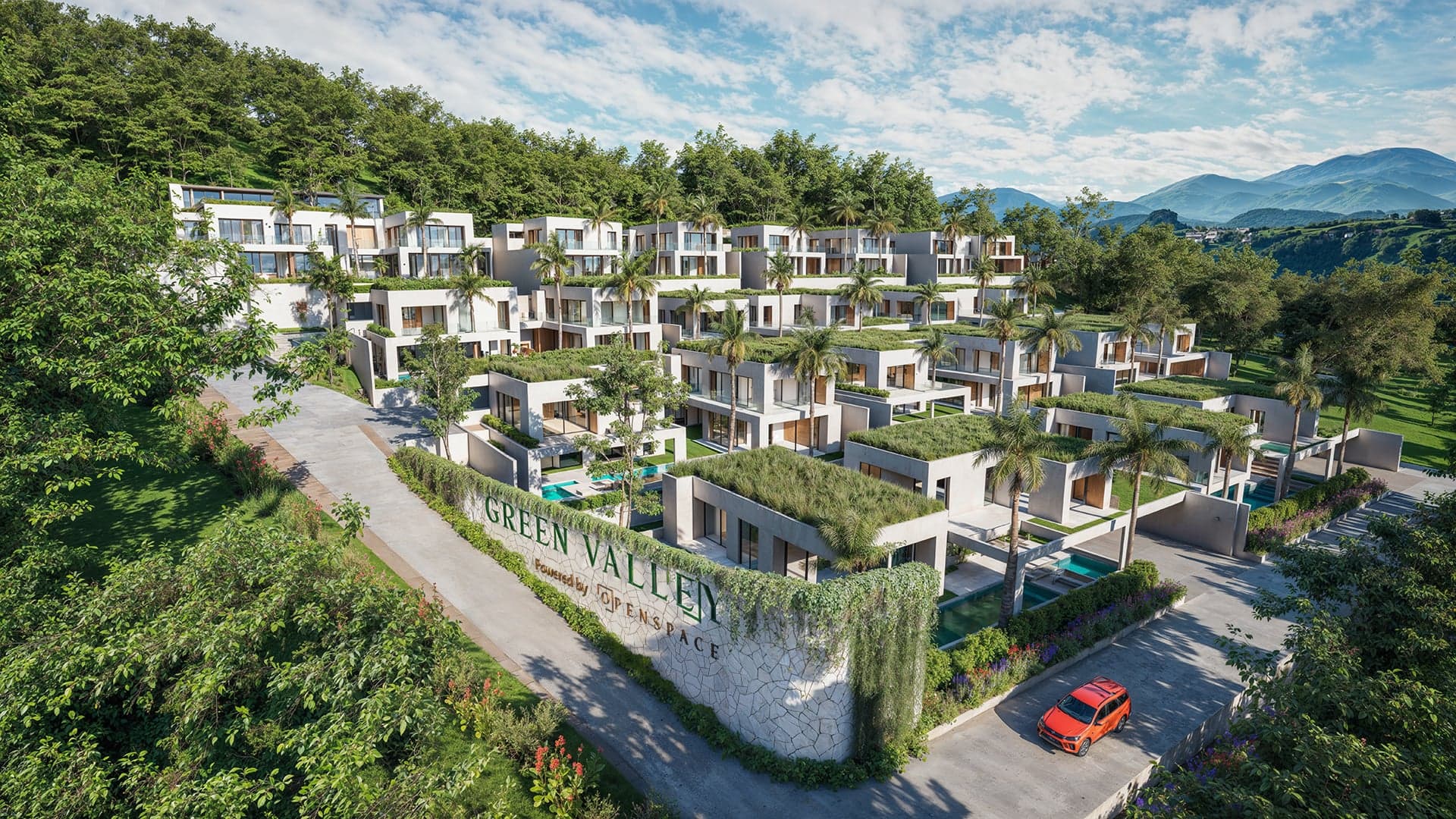
Each Green Valley villa on Koh Phangan follows exactly this route: full ownership of the villa structure, together with a 30-year registered lease on the land beneath it. It's stated plainly rather than glossed over, because a buyer who understands the structure they're agreeing to is in a far stronger position than one who finds out later.
If you're evaluating any villa purchase in Thailand — with us or elsewhere — the questions worth asking are: is the lease registered at the Land Department (not just a private agreement), what are the renewal terms, and who is the lessor. Those three answers tell you more about the safety of the purchase than almost anything else in the brochure.